

Voice Training is the key to an expressive and powerful voice. Whether you're singing or speaking, proper voice training makes all the difference. In this article, I'll show you how to use targeted Vocal exercises and proven techniques to improve your voice step by step. From breathing to posture—here you’ll learn what it takes to truly develop your vocal abilities. Dive into the world of voice training and discover how you can, through Effective Vocal Training develop a voice that is both powerful and flexible.
The Most Important Points at a Glance
Voice Training It involves much more than just training your voice—it’s about holistically training your body as an instrument. Breathing techniques, mindful posture, and specific vocal exercises are crucial for improving your speaking and singing voices.
- Fluid Intake and regular breathing exercises play an essential role in keeping the voice healthy and resilient.
- Singing in a choir is a great way to develop your vocal skills and enjoy making music together.
- Warm-up exercises Techniques such as lip trills, humming, and vocal exercises are important building blocks for protecting your voice before singing or speaking and for improving its quality.
- A healthy lifestyle—a balanced diet and enough sleep—not only strengthens your body but also your voice.
Regular practice, combined with professional guidance, will strengthen your voice over the long term and help you develop a a powerful and expressive voice to develop a strategy that works in every situation.
Fundamentals of Voice Training
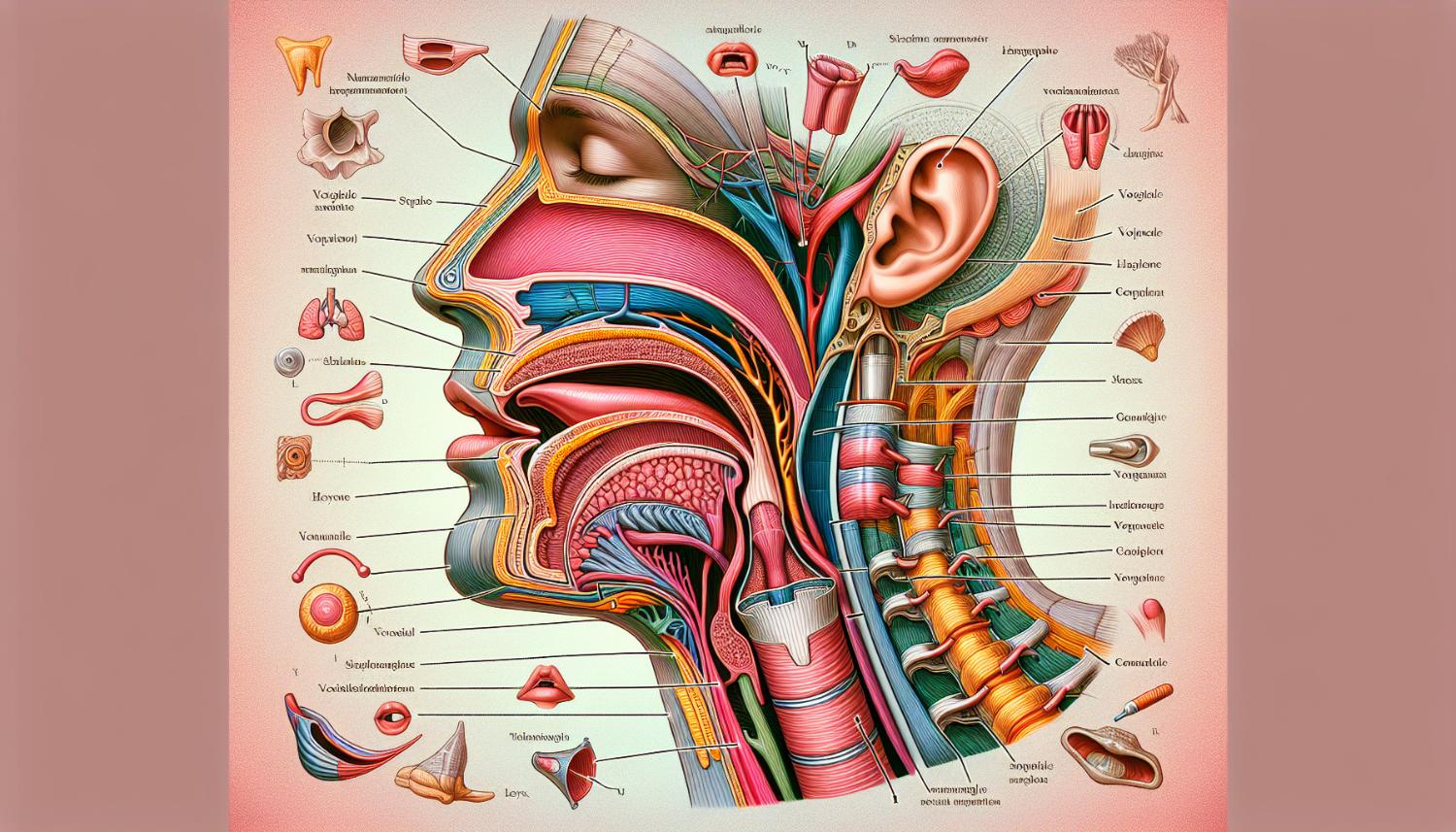
Voice Training is much more than just training your vocal cords—it’s about shaping and improving your entire voice. Whether you’re a singer or a speaker, the goal remains the same: your voice should be powerful, clear, and expressive. The path to achieving this involves targeted exercises that improve your breathing, posture, and articulation.
An effective Voice Training It starts with proper breathing technique, because that forms the foundation for any vocal performance. Deep, steady breathing brings stability to your voice and ensures that you don’t get tired, even when singing or speaking for long periods of time. But voice training isn’t just a physical process—it can inspire joy and enthusiasm, as you learn to better master your own instrument. The more you train your voice, the more confident you become, and that confidence carries over into every one of your performances.
What is voice training?
Voice Training is the art of shaping your voice and giving it strength and flexibility. It encompasses a variety of techniques and exercises that help you control your breathing, protect your vocal cords, and develop a healthy and resilient voice. Often, simply incorporating simple habits like yawning before singing is enough to relax your throat and achieve a richer, fuller sound.
Regular Voice Training Doing the right exercises is crucial. Whether you’re doing vocal exercises or humming exercises, these techniques will help you control your voice better. Just as important: staying well-hydrated. If you drink at least two liters of water a day, your vocal cords will stay well-moistened and flexible—which will allow you to shine vocally for longer periods of time. Voice Training So it's not just vocal training—it's a holistic approach that helps you take your voice to the next level.
The Body as an Instrument
Your body is more than just the vessel for your voice—it is your instrument. From your head to your chest, your voice resonates in different parts of your body, creating its unique sound. High notes often vibrate in your head, while lower notes are felt more in your chest. A good Posture is therefore the be-all and end-all. It affects not only how you sound, but also how easily and effortlessly your voice flows.
Tension in the shoulders or neck can significantly affect your voice, so it’s important to maintain a relaxed posture while singing or speaking. Proper posture ensures free breathing and a relaxed throat, which makes your voice clearer and more powerful. The more you learn to use your body as a resonating chamber, the fuller and more impressive your vocal expression will become.
Anatomy of the Voice
The human voice is a fascinating and, at the same time, complex instrument. At its core is the Larynx, in which the Stimmlippen These small but powerful muscles produce the sound of your voice by vibrating as you sing and speak. The movement of these vocal folds is controlled by the air that flows from the lungs into the larynx.
Did you know that more than fifty pairs of muscles are involved in sound production? The subtle coordination of all these muscles is what makes your voice so unique. The Voice Training focuses on training these muscles and improving their coordination to make your voice more powerful and controlled. Through targeted Vocal exercises you can refine the sound of your voice and enhance your unique expression.
Voice Training for Beginners: How to Get Started
You don't need twenty exercises to start with. You need three that you actually do regularly. If you're just starting out, I recommend this order:

- Weeks 1–2: Breathing. Practice abdominal breathing while lying down and standing until it feels natural. Without steady breathing, every other exercise will be incomplete.
- Weeks 3–4: gentle sounds. Murmuring and humming while comfortably settled—not too high, not too loud. It’s about feeling, not making an impression.
- Starting in Week 5: first vocal exercises. Start with small intervals on „ma“ or „no,“ then gradually expand them.
Ten quiet minutes a day are better than one ambitious hour on the weekend. And if something feels uncomfortable or hurts, stop—don't push through it.
Important Breathing Techniques for Voice Training

Proper breathing technique is at the heart of every Voice Training. It provides your voice with the necessary strength and helps you maintain your pitch confidently without getting tired. Controlled and conscious breathing is crucial for keeping your voice flexible and healthy. If you learn to breathe properly, you’ll not only improve your voice’s volume and endurance but also enhance your tone and stage presence.
Let's take a closer look at the breathing techniques that will help you get the most out of your voice. These techniques aren't just important for singers—speakers can also benefit from improved breathing, as it brings clarity and stability to the voice.
Abdominal breathing
The Abdominal breathing – or diaphragmatic breathing – is arguably the most important technique for anyone interested in Voice Training should master. It uses the diaphragm to direct the air you breathe deep into your abdomen, giving you greater control over your breathing and more stability. Unlike shallow chest breathing, abdominal breathing offers a much more effective way to support your voice and increase your lung capacity.
A simple exercise to practice abdominal breathing: Place one hand on your stomach and take a deep breath until you feel your stomach rise. Keep your shoulders relaxed and still. This technique not only helps you sing or speak for longer, but also produces a more powerful and fuller sound. The better you master abdominal breathing, the freer your voice will become.
Breathing Support
The Breathing Support is a technique that supports and controls your voice while singing or speaking. It involves consciously regulating your breath flow to keep your tone production even and stable. Well-developed breath support helps you produce more stable and powerful tones with less effort.
Imagine that your breath support is the foundation of your voice. Once you’ve mastered it, you can hold high notes confidently without losing control of your breath. Exercises like controlled exhalation through a straw or singing long notes help you train your breath support and improve it little by little.
Breathing Exercises for Everyday Life
Breathing techniques aren't just useful on stage—they're also easy to incorporate into your daily life. Simple Breathing Exercises Techniques such as exhaling slowly through a straw or breathing mindfully while lying down can increase your lung capacity and help you cope with stressful situations.
Another example is the „4-7-8 technique,“ in which you inhale for four seconds, hold your breath for seven seconds, and then exhale for eight seconds. This exercise not only calms your nerves but also improves your breath control, which in turn supports your voice. With these simple exercises, you can train your breathing and strengthen your voice in everyday life—all without even trying!
Vocal Warm-Up Exercises

Before you start singing or speaking, you should warm up your voice—just as you do before any physical activity. Warm-up exercises are essential for preventing injuries and improving the quality of your voice. They relax the muscles, promote blood flow to the vocal cords, and help you control your voice as effectively as possible.
An effective vocal warm-up routine makes all the difference. Whether you're preparing for a performance or a presentation, these exercises gently prepare your vocal cords for the upcoming strain and help prevent overexertion.
Vocalizations
Vocalizations are an excellent way to improve the flexibility and tone of your voice. These are exercises in which only vowels are sung to promote vocal agility and prepare the voice for upcoming challenges. Vocal exercises not only help make your voice more supple, but also improve your ability to produce clear and resonant tones.
A simple exercise is to sing the vowels “a,” “e,” “i,” “o,” and “u” at different pitches. This technique stretches the vocal cords and promotes vocal flexibility, allowing you to navigate your voice through different registers more easily. By regularly practicing vocal exercises, you’ll strengthen your voice and prepare it for challenging vocal passages.
Lip fluttering
The Lip fluttering It might seem a little silly at first glance, but it’s an incredibly effective technique for relaxing and warming up your voice. To do this, press your lips together lightly and exhale gently so that your lips begin to vibrate. This vibration loosens the muscles in your lips and prepares your voice for singing or speaking.
By regularly fluttering your lips, you improve blood circulation in your lips and relax the muscles, which has a positive effect on the quality of your voice. It’s a great exercise that you can also do throughout the day to loosen up your voice and relieve tension.
Totals
Totals is one of the gentlest yet most effective warm-up techniques for the voice. It is gentle on the vocal cords and activates the body’s resonance chambers without straining the voice. When humming with your mouth closed, the sound is gently guided through the body, which sets the vocal cords in motion and improves resonance.
This technique is excellent for warming up your voice before intense singing sessions or long periods of speaking. By humming regularly, you can not only improve your voice's resonance but also enhance its overall sound quality.
Exercises to Improve Vocal Technique

A strong voice requires technique—and that can be learned. Voice Training It also means continuously improving and refining your vocal technique. This isn't just about the sound of your voice, but also about controlling pitch, volume, and expression. With the right exercises, you can expand your vocal abilities and optimize them for both everyday life and the stage.
Now let's look at a few specific Vocal exercises Take a look at these tips to help you take your vocal technique to the next level.
Scale Exercises
Scale Exercises are the backbone of the Voice Training. They help you expand your vocal range and increase your vocal flexibility. By practicing scales regularly, you’ll learn to sing with greater confidence at different pitches and gain better control over your pitch. Scale exercises not only improve your precision but also enhance the flexibility of your vocal cords.
One example of an effective exercise is singing a chromatic scale, in which you sing up and down in small half-step increments. Start at a comfortable pitch and work your way up to train both the low and high registers of your voice. This exercise improves your intonation and prepares you for challenging vocal passages.
Articulation Exercises
The Articulation is crucial for clear and distinct pronunciation—whether you’re speaking or singing. Articulation exercises help you train your tongue, lip, and facial muscles so that you can form words more clearly and precisely. A well-articulated text not only sounds more professional, but it also helps you come across as more confident and convincing.
A tried-and-true exercise is speaking Tongue Twisters such as „Red cabbage is still red cabbage“ or „Fischer’s Fritz catches fresh fish.“ These phrases help train the flexibility of your tongue muscles and promote clear pronunciation. Regular practice not only improves speech intelligibility but also gives your voice greater precision and strength.
Resonance Exercises
Resonance adds volume and depth to your voice. Using your body as a resonating chamber is what makes the difference between a flat voice and a full, powerful one. Resonance Exercises help you make use of the natural resonant spaces in your body and give your voice more richness.
A simple exercise is to consciously notice the vibrations in your body as you hum. Start with your head and feel the sound traveling through your nasal cavities and chest. The more consciously you use these resonant chambers, the stronger and more resonant your voice will sound.
Flexibility Exercises
A flexible voice is able to adapt effortlessly to various musical or linguistic requirements. Flexibility Exercises are designed to increase the flexibility of your voice so that you can easily switch between different pitches and volumes.
Exercises such as quickly switching between different notes—so-called Interval Jumps – promote vocal flexibility. This exercise not only trains your vocal cords, but also your ear and your control over your voice. The more you incorporate these exercises into your training, the more effortlessly you’ll master vocal challenges.
Voice Care

A powerful voice needs regular care to maintain its full potential. Voice Training It’s not just about training—it also means taking good care of your voice and protecting it from overexertion or strain. This involves more than just what you do while singing or speaking. It’s about developing the right habits that will keep your voice healthy and strong in the long run.
Here are some tips for taking care of your voice so you can keep it strong and clear, even during stressful times.
Nutrition: The Right Foods for Your Voice
The Nutrition has a greater impact on your voice than many people realize. What you eat and drink affects the quality of your voice. A balanced diet rich in vitamins and minerals supports the health of your vocal cords. Foods like fresh fruits and vegetables not only keep your body healthy but also help ensure that your voice remains resilient.
Dairy products, on the other hand, can stimulate mucus production and make your voice feel „heavy.“ Before important performances, you should therefore avoid such foods to keep your voice clear and unobstructed. A mindful diet helps ensure that your voice stays healthy in the long run and sounds its best.
Hydration: Water, the Elixir of Life for Your Voice
Hydration is an essential part of vocal health. Well-hydrated vocal cords are more elastic and resilient. Singers should make sure to drink at least two liters of water daily to keep their vocal cords supple. Dehydration can make the voice prone to strain and vocal breaks, which can lead to problems in the long run.
The right temperature is also important: drinks that are neither too cold nor too hot are ideal. Lukewarm water or tea are the best choices for hydrating your voice and soothing your throat. A well-hydrated voice not only sounds clearer, but also tires less quickly.
Avoiding Strain: Taking Care of Your Voice
A healthy voice needs breaks. Overexertion can strain your vocal cords and cause long-term damage. Avoid straining your voice unnecessarily—speaking loudly in noisy environments or constantly clearing your throat are typical habits that can overwork your vocal cords.
If you notice that your voice is getting tired, give it a break. Even whispering can strain your vocal cords, since it creates more tension than you might think. Instead, focus on speaking softly and take regular breaks to give your voice time to recover.
Recovery and Rest: Breaks for the Voice
Regeneration is essential for keeping your voice healthy and in top condition. After intense rehearsals or performances, your voice needs time to recover. Give your voice regular breaks—especially after long periods of speaking or singing.
After a strenuous day, it can be helpful to soothe your voice with warm drinks or steam inhalations. This brief break helps your voice recover and recharge for the next challenge. Striking a balance between activity and rest is the key to a healthy and powerful voice.
Your Compact Daily Exercise Routine
Many people are looking for a printable vocal warm-up guide. Here’s my concise routine—it takes about 10 to 15 minutes and works both in the morning and before singing:

- 2 min – Body: Relax your shoulders, gently stretch your neck, and stand loosely.
- 2 min – Breathing: Breathe from your abdomen, then inhale for 4 seconds and exhale for 8 seconds, making a „sss“ sound.
- 3 min – Warm-up: Lips flutter in little melodic phrases, then humming.
- 4 min – Technique: Practice one exercise from this article specifically (e.g., a scale or resonance)—not all of them at once.
- 2 min – Application: Sing a line from a song using what you just practiced.
- 1 min – Wrap-up: A deep, soft hum to help you unwind.
Tip: Save this list on your phone or print it out and hang it on your mirror—the best exercise is the one you actually do.
Frequently Asked Questions About Voice Training
What is the difference between voice training and singing lessons?
Voice training is the foundation: breathing, posture, resonance, and healthy sound production. Singing lessons build on this foundation and combine technique with songs, style, and expression. At CK Voice Lessons, the two go hand in hand—in the Singing lessons You never learn voice training in isolation; it's always tied to your music.
How often should I do vocal exercises?
It's better to practice briefly and regularly than rarely and for long periods: 10–15 minutes a day is more effective than one hour once a week. Your voice responds to repetition over time.
Can I learn vocal training without a teacher?
The basics, yes—you can start the exercises on this page right away on your own. But you hear yourself differently than you actually sound: Without feedback, habits creep in that are hard to break later on. A free trial lesson shows you where your voice is.
Does voice training also help with the speaking voice?
Yes. Breathing, support, and resonance sustain every voice—many of my students quickly notice that their voices sound fuller and more effortless even when they're just speaking.
Summary
Voice Training is an ongoing process that goes far beyond simply singing or speaking. With targeted exercises, a healthy lifestyle, and proper care, you can improve your vocal abilities in the long term and develop a strong, expressive voice. The combination of breathing techniques, warm-up exercises, scales, and proper articulation forms the foundation for a healthy voice that is both powerful and flexible.
Remember that regular exercise and professional guidance are the key to long-term success. Your voice is a valuable tool that, when properly cared for, can shine in any setting—whether on stage, at work, or in everyday life.
Voice Training So it's not just important for singers, but for anyone who wants to keep their voice healthy and strong. Start training your voice today, and you'll feel the changes—not only in the quality of your voice, but also in your self-confidence.
Would you rather build your voice with a coach than on your own? You can, at our studio in Hanover or online from anywhere. Here's where to start: Singing lessons near you at CK Voice Lessons.
Was this article helpful to you? Feel free to use the comment section below this article and share your experiences! Add our blog to your reading list and follow us on Instagram for even more tips and tricks about Voice Training and to discover vocal technique.




The tips are easy to follow, extremely helpful, and comprehensive. I've learned a lot from them and am trying to put some of them into practice. Thank you very much!